
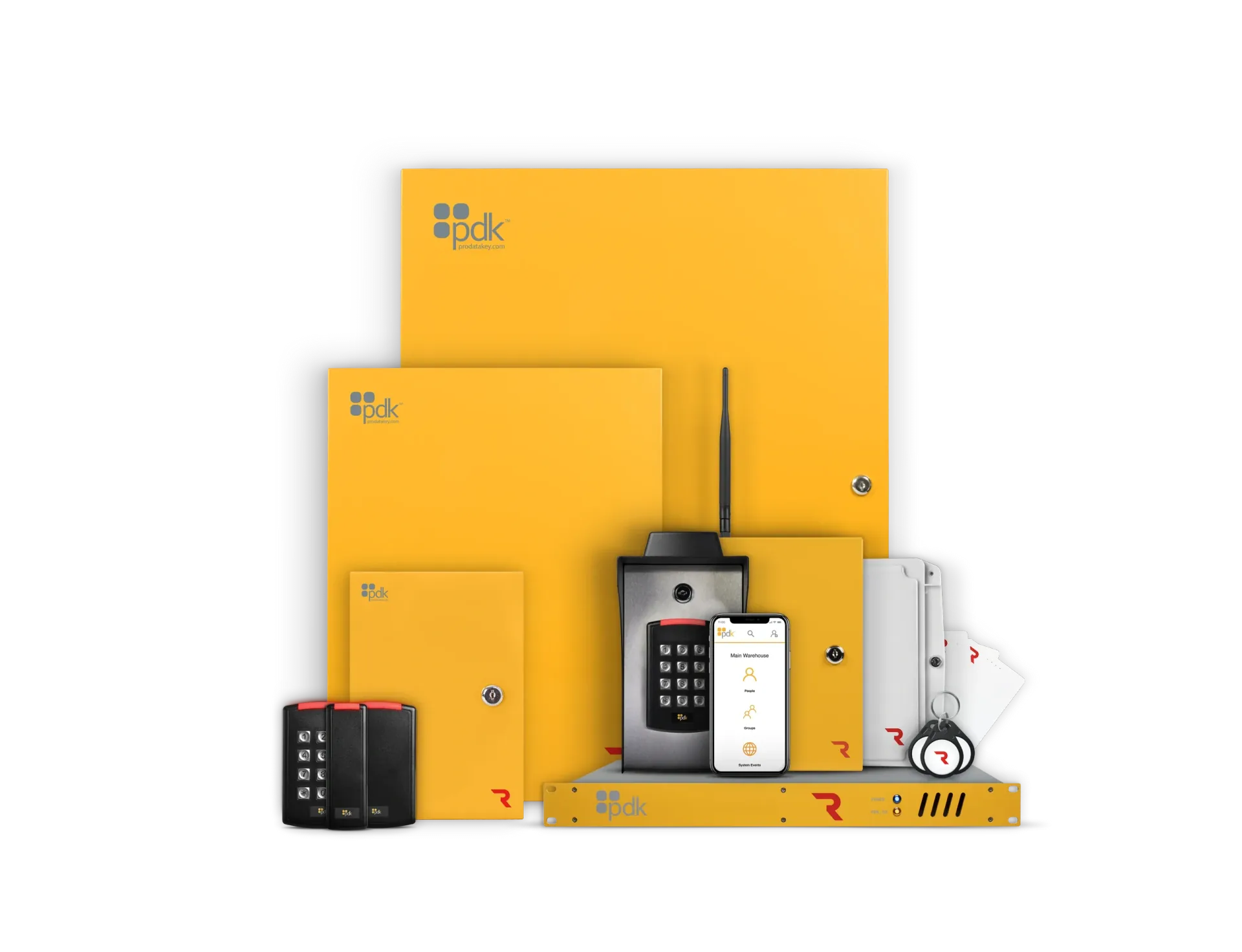
Commercial Key Card & Badge Access Systems Tampa Bay, FL
 TSS USA — BICSI Corporate Member®
HIPAA Requires Access Control You Can’t Ignore
Pharmaceutical storage rooms, patient medical records, and behavioral health units must restrict access to authorized personnel only. HIPAA mandates it. But mechanical deadbolts and shared keypad codes leave zero audit trail when an inspector asks for proof of who accessed a medication room last Tuesday. You can't demonstrate compliance with a ring of keys everyone on staff shares.
Cloud access control creates the documented physical safeguard HIPAA demands, logging every door event with timestamps, user identification, and exportable reports that satisfy compliance reviews without chasing paper logs.
Patient elopement from memory care wings and behavioral health facilities becomes a liability nightmare when exit doors lack real-time monitoring and alert systems. Traditional door hardware can't notify you the moment a patient wanders toward an unsecured exit or a door gets propped open during a shift change.
Access control card readers on patient-area doors trigger instant mobile alerts when exits are breached, while scheduled auto-lock features prevent unauthorized departures without blocking emergency egress. The system creates an accountable barrier between secure care areas and public corridors.
After-hours access to Tampa Bay clinics and medical suites creates security gaps when practitioners use mechanical keys that can be copied at any hardware store. There's no way to know if a departed employee returned their key or had a duplicate made before leaving.
Cloud based access control systems let medical office managers issue mobile credentials to physicians, nurses, and cleaning crews that work only during assigned schedules, with automatic expiration and instant revocation when employment ends. You eliminate the re-keying cycle and gain complete visibility into who enters your facility around the clock.
5.0 Stars on Google · Licensed Florida Contractor
Cloud Access Control Installation in Tampa Bay
Audit Log Retention That Survives a Compliance Audit
HIPAA requires 6 years of access log retention; SOX requires 7. Cloud access control platforms default to much shorter retention, which surfaces during incident investigations as a gap that wasn't there until it was needed. We configure log retention on your system to match the regulatory framework your operation falls under, not the platform default.
Restriction Where Stakes Are Higher
Pharmaceutical storage, controlled substance rooms, behavioral health units, and patient records areas carry different stakes than a lobby entrance. For healthcare clients across the Tampa Bay metropolitan area including Pinellas, Hillsborough, Pasco, and Manatee counties, we walk through which areas need the tightest restrictions, who needs after-hours access, and what credential workflow fits your specific compliance environment.
After-Hours Credentialed Access
On-call physicians, lab tech crews, and cleaning vendors all need authorized after-hours access without being treated as intrusion. We design credential schedules that grant the right access at the right times and create an audit trail when an entry is questioned later.
Integration With Systems You Already Have
Most healthcare facilities already run fire alarm panels, nurse call systems, and sometimes video surveillance. We coordinate access control with what's already in place during design, so fire alarm activation can release patient-area doors and access events appear alongside clinical alerts for one operational picture.
Who We Work With in Tampa Bay
Medication rooms with audit logs showing exactly who accessed controlled substances and when, satisfying DEA and state pharmacy board physical security requirements.
Physicians and nurses enter Tampa Bay medical offices using mobile credentials that work only during their scheduled shifts, with automatic revocation when employment ends.
Operating rooms and sterile procedure areas secured with smart card readers that limit access to credentialed surgical staff, preventing unauthorized entry during procedures.
Memory care and behavioral health units with door sensors that trigger instant mobile alerts when patients approach unsecured exits or restricted corridors.
5.0 Stars on Google · Licensed Florida Contractor
More About Access Control in Tampa Bay
Why Healthcare Facilities Outgrow Mechanical Keys
A Lost Key Exposes Multiple Restricted Areas
When a key disappears in a healthcare facility, the exposure isn't just the front door. Medication rooms, patient records areas, and equipment closets sharing the same master key all become accessible. Rekeying multiple areas at $150-$300 per door adds up fast.
Shared PIN Codes Don’t Survive Audit
A door code that every nurse, physician, and contractor knows produces zero individual accountability when an inspector asks who accessed the controlled substance room last Tuesday. For practices subject to HIPAA or DEA review, shared codes are a finding waiting to happen.
Cloud Platform Default Log Retention Is Too Short
Many cloud access control platforms default to 90 days of audit log retention. HIPAA requires 6 years; SOX requires 7. A breach investigation surfacing 4 months after the event finds the audit trail gone, with no way to reconstruct what happened.
Authorized After-Hours Access Confuses Old Systems
Cleaning crews, lab vendors, and contracted maintenance create authorized after-hours entries that look identical to intrusions in a basic alarm-only setup. Access control with scheduled credentials and audit logging differentiates authorized from unauthorized entries.
What Healthcare Access Control Solves Beyond Locking Doors
Compliance-Grade Audit Trail
Every credential read logged with timestamp and user ID, with retention configured to match HIPAA (6 years) or SOX (7 years) rather than the platform default.
Per-Role Restriction
Medication rooms locked to credentialed clinical staff, records storage to designated administrative roles, server rooms to IT, all enforced automatically rather than relying on staff to follow policy.
After-Hours Practitioner Access
On-call physicians and emergency entry handled through mobile credentials with full audit logging, removing the security tradeoff of distributing physical keys.
Visitor and Vendor Workflow
Pre-registered visitors, contracted vendors, and temporary credentialed staff receive time-limited credentials that expire automatically without manual revocation.
Fire Alarm Integration
Patient-area doors release automatically during fire alarm activation; access events appear alongside fire alarm events so building staff have one operational picture.
Cellular Communication
Cellular and IP communication paths, no phone-line vulnerability, no carrier-sunset exposure during the 2026-2029 AT&T copper retirement.
What We Do That Most Don’t
HIPAA Audit Trail Expertise
We configure access control card readers and cloud platforms to generate HIPAA-compliant audit logs that document physical safeguards for medication storage, patient records, and restricted treatment areas. Every door event is timestamped with user identification, creating exportable reports that satisfy compliance reviews without manual log reconciliation. Tampa Bay medical practices rely on us to design systems that meet federal physical security requirements from day one.
Nurse Call & Fire Alarm Integration
Our cloud access control installations integrate with nurse call systems and fire alarm panels commonly found in the Tampa Bay metropolitan area including Pinellas, Hillsborough, Pasco, and Manatee counties medical facilities, unlocking patient-area doors automatically during fire alarm activation while maintaining secured access during normal operations. We coordinate with existing life safety systems to ensure code-compliant emergency egress without sacrificing day-to-day security. Integration planning is included in every medical access control project we design.
Pharmacy-Grade Scheduling
We program time-based access schedules that restrict pharmaceutical storage and controlled substance areas to specific staff during defined shifts, with automatic lockout outside authorized hours. Mobile credentials let practitioners access Tampa Bay clinics after hours for emergencies without compromising medication security or compliance. Our configurations prevent credential sharing and enforce individual accountability across every secured door in your practice.
Access Control Across Healthcare in Tampa Bay
Medical Office Buildings
Multi-suite medical buildings across the Tampa Bay metropolitan area including Pinellas, Hillsborough, Pasco, and Manatee counties use access control to maintain tenant-suite separation while securing shared spaces, mechanical rooms, and after-hours corridor access.
Outpatient Surgery and Imaging Centers
Surgical suites, recovery areas, and imaging equipment rooms are restricted to credentialed clinical staff, with separate access groups for janitorial and equipment service vendors.
Behavioral Health and Memory Care
Specialized facilities with restricted-area zones and coordination with delayed-egress door hardware so life-safety code doesn't conflict with patient-safety requirements.
Dental, Specialty, and Independent Clinics
Small Tampa Bay practices handle controlled substances and patient records that require documented access control. We scale systems appropriately for 2-4 door practice sizes.
Access Control Systems in Tampa Bay
The Tampa Bay region stretches across Pinellas, Hillsborough, and Manatee counties with thousands of offices, clinics, retail spaces, and industrial buildings operating under different ownership structures. A company might run a headquarters near Westshore in Tampa, a satellite office in Clearwater, and a warehouse across the bay in Bradenton. Managing door security with traditional keys across that kind of footprint quickly becomes unworkable.
Access control installation replaces mechanical keys with digital credentials that can be issued or revoked instantly.
A card reader, key fob, or mobile credential unlocks a controlled door while the system records the event in the audit trail. Businesses across Tampa Bay often begin with a single controlled entry and expand later once they see how much easier credential management becomes compared with constant rekeying.
Cloud-based access control systems dominate regional installations because they allow administrators to manage every location from a single dashboard. A controller mounted inside each building communicates with card readers, electric strikes, magnetic locks, and door position switches installed at the doors. When a credential is presented, the controller verifies authorization and releases the lock hardware for a programmed interval.
Modern systems frequently use OSDP encrypted communication between the reader and the controller instead of legacy Wiegand wiring.
Encryption prevents credential cloning and allows the system to monitor reader status in real time. Regional companies benefit most from this architecture because the same platform manages doors in multiple cities. A facility manager sitting in Tampa can review audit trail events from a Clearwater office or disable a lost credential used in Bradenton without traveling to the site.
The advantage for Tampa Bay businesses is geographic coverage from a single installation partner. The Pinellas Park shop sits near the center of the region, which keeps travel time manageable whether a project is in downtown Tampa, north Pinellas, or the Bradenton corridor south of the Skyway Bridge. Multi-location companies often standardize on the same reader hardware, controller platform, and credential format across every building.
That consistency simplifies training and eliminates the confusion of running different door systems at each office.
TSS USA installs and programs the controllers, reader hardware, and lock components so the entire portfolio of doors appears inside one management interface.
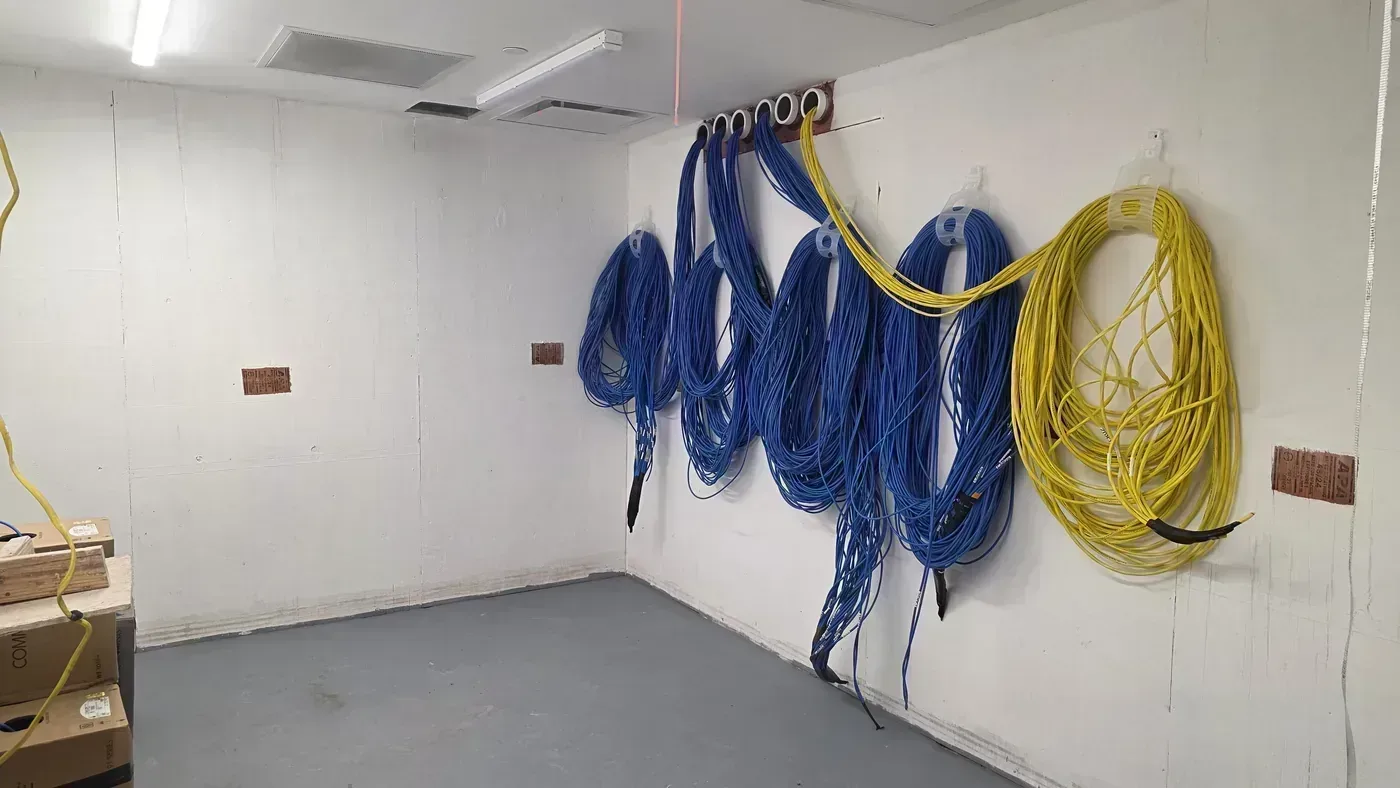
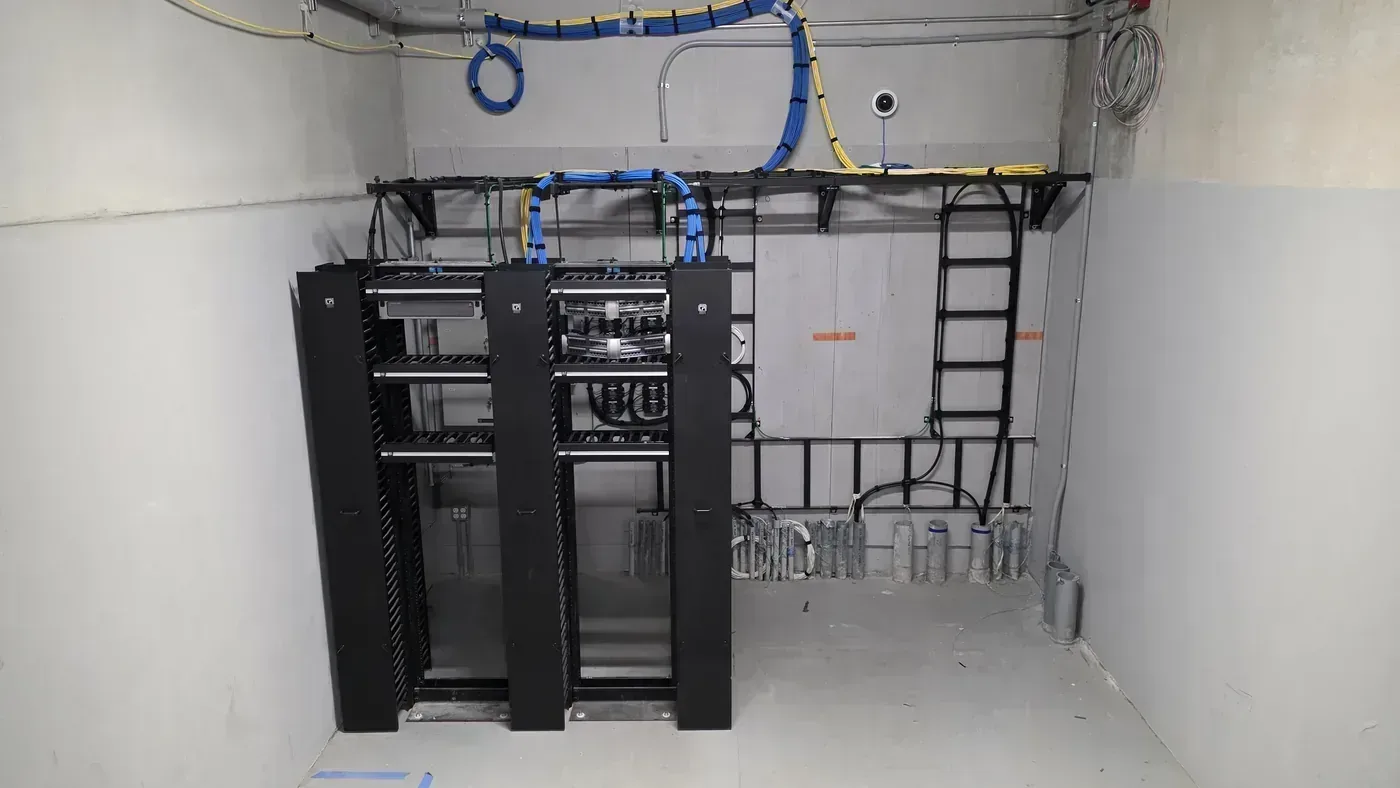
Manage Every Door and User from Your Phone.
Cloud Access Control for Offices & Commercial Buildings
Corporate offices, co-working spaces, and multi-suite commercial buildings depend on cloud access control to manage employee entry, secure sensitive areas, and maintain detailed visitor logs without the overhead of on-premise servers.
Cloud based access control systems let office managers issue and revoke credentials from a web dashboard, set floor-by-floor or suite-by-suite permissions, and generate compliance-ready audit reports, all without calling a technician.
With mobile access credentials, employees tap their smartphones at an access control card reader instead of juggling key cards, reducing replacement costs and eliminating the security gap when badges are lost or shared between staff.
Visitor management is a critical requirement in professional office environments. Cloud access control platforms enable front desk staff or automated kiosks to pre-register guests, issue time-limited credentials, and notify hosts the moment a visitor badges in. Temporary access can be restricted to lobby-level doors only, keeping server rooms, executive suites, and storage areas locked down.
Real-time door activity appears on a centralized dashboard, giving building managers instant awareness of who is in the building at any moment. This is valuable for emergency headcounts and after-hours security oversight across every floor.
For multi-tenant commercial buildings, hosted access control systems simplify the relationship between property managers and tenants. Each tenant receives their own credential group with access limited to their suite and shared amenities, while the property manager retains master-level visibility and control over common doors, parking garages, and mechanical rooms.
When a tenant moves out, credentials are deactivated in seconds from the cloud platform. This centralized approach eliminates re-keying costs, prevents unauthorized key duplication, and provides landlords with an auditable record of access activity across the entire property.
Why Tampa Bay Businesses Choose TSS USA for Access Control Systems
Competitive Pricing
We price every project honestly and competitively. Free on-site estimates with no obligation. No hidden fees when the invoice arrives. If you've received quotes from other contractors, compare them — we consistently come in at or below the market rate for the same scope and quality.
Faster Communication
We respond to quote requests the same day. Most Tampa Bay projects get a written estimate within 24–48 hours of the site walkthrough. You won't wait a week to hear back. If a question comes up mid-project, you get an answer the same day — not whenever someone checks their inbox.
Work That Passes Inspection
Every installation is tested, labeled, documented, and signed off by a licensed Florida contractor before we close out. Structured cabling gets Fluke DSX certification reports on every drop. Fire alarm systems are designed and installed to NFPA 72 and pass AHJ inspection the first time. We don't leave until the job is done right.
Licensed, Certified & Verified
Florida Electrical Specialty Contractor License ES12000985. Florida Fire Alarm Contractor License EF20001875. BICSI Corporate Member. CommScope authorized partner. 5.0 stars on Google from verified commercial customers across Tampa Bay. We're the real deal — not a handyman with a drill and some cable.
Frequently Asked Questions
Cloud based access control systems like PDK and Paxton10 make managing door access at your Tampa Bay business simple and flexible. You don’t need to be on-site to make changes. Add or remove users, check activity logs, and unlock doors right from your phone or laptop, from anywhere across the Tampa Bay metropolitan area including Pinellas, Hillsborough, Pasco, and Manatee counties.
With PDK and Paxton10, your doors in Tampa Bay won’t just stop working. Each controller stores credentials locally, so users can still badge in even if your connection drops. The system syncs back up automatically when internet returns. No gaps in security or access logs.
TSS USA installs cloud access control systems throughout Tampa Bay and the Tampa Bay metropolitan area including Pinellas, Hillsborough, Pasco, and Manatee counties. We work with PDK and Paxton cloud platforms, handling everything from card reader installation and door hardware to cloud dashboard configuration and mobile credential setup. Every installation includes full testing and a walkthrough so your team knows how to manage the system from day one.
Yes. Most of our access control installs in Tampa Bay are 2-4 door systems for small offices, retail stores, and medical practices. A typical small business system runs $1,500-$2,500 per door installed, including the reader, controller, lock hardware, and cloud dashboard setup. You manage credentials from your phone, revoke access in seconds, and get a full audit log of who entered and when. No rekeying, no key tracking headaches.
TSS USA is a Florida-licensed low voltage contractor (License ES12000985) specializing in cloud-based access control for commercial buildings in Tampa Bay and across the Tampa Bay metropolitan area including Pinellas, Hillsborough, Pasco, and Manatee counties. We install PDK and Paxton10 systems with mobile credentials, remote door management, and full audit logs. We beat competitor pricing, respond to quote requests same day, and every installation is fully tested and documented before we leave. Rated 5.0 stars on Google from verified commercial customers.
Multi-location businesses across Tampa Bay usually deploy cloud-based access control platforms so all doors appear inside a single management dashboard. Each building has a local controller connected to card readers, electric strikes, or magnetic locks at the doors. Those controllers communicate with the cloud platform over the network.
Administrators can add a new employee credential once and assign permissions for multiple locations at the same time.
If an employee leaves the company, the credential can be disabled instantly across every building. The audit trail records door activity for each location separately, which helps facility managers review events at a Tampa office, Clearwater clinic, or Bradenton warehouse without visiting those sites.
Most Tampa Bay installations use proximity cards, key fobs, or mobile credentials delivered through a smartphone app. Proximity cards and fobs use radio frequency technology that a wall-mounted reader detects when the credential comes within a few inches. Mobile credentials use Bluetooth or NFC communication between the phone and the reader.
Many companies prefer mobile credentials because employees rarely forget their phones and credentials can be issued remotely through the cloud portal. Larger regional companies often use a mix of credentials, issuing physical cards to contractors while full-time employees use mobile credentials tied to their company account.
A modern controller platform can manage dozens or even hundreds of doors depending on the configuration. A typical office in the Tampa Bay region might begin with two or three controlled doors such as the main entrance, a server room, and a storage area. The controller handling those doors can usually support four readers. Additional controllers connect to the same network if the building expands or if additional suites need credential control.
Regional organizations with multiple locations might operate 30 to 50 doors inside the same cloud dashboard. Each door maintains its own schedule, credential permissions, and audit trail records inside the system.
Cloud access control is a door security system where all management, user provisioning, and event logging happen through a cloud-hosted platform rather than an on-premise server. Administrators can add or revoke credentials, unlock doors, and review audit logs from any web browser or mobile app. Because the software runs in the cloud, your system receives automatic firmware and feature updates without on-site service calls.
Cloud access control is ideal for small businesses and commercial facilities that want professional-grade door security without the complexity of maintaining dedicated servers.
PDK (ProdataKey) is a cloud access control platform purpose-built for commercial and multi-site deployments. PDK uses cloud-hosted controllers that eliminate the need for on-premise servers, with all management handled through a web dashboard or the PDK io mobile app. The system supports mobile credentials, smart card readers, key fobs, and PIN codes.
PDK is known for its intuitive interface, extensive API integrations, and scalability from a single door to hundreds of locations. As a certified PDK installer, we deploy and configure PDK systems tailored to your facility layout, user count, and security requirements.
Cloud access control platforms like PDK and Paxton10 are designed to scale from a single door to thousands of doors across multiple locations. A single cloud controller typically supports 2-8 doors depending on the model, and additional controllers can be added as needed. Because the management platform lives in the cloud, there is no practical limit to the number of doors or locations you can manage from a single account.
This scalability makes cloud access control ideal for growing businesses that may start with a front door and expand to secure server rooms, warehouses, or additional office locations over time.
5.0 Stars on Google · Licensed Florida Contractor
Other Services in Tampa Bay
Structured Cabling
Structured cabling, fiber optics, and network infrastructure for commercial buildings.
Fire Alarm Systems
Commercial fire alarm installation, monitoring, and inspection services.
Small Business Security Cameras
Small business security camera systems with remote viewing and smart alerts.
Business Phone Systems
Cloud VoIP business phone systems — local installation, full configuration, and ongoing support.
Small Business Network Setup
Complete network setup including internet, WiFi, switches, and infrastructure for small businesses.
Burglar Alarm Systems
Commercial intrusion detection and 24/7 monitoring services.
Let’s Talk Access Control in Tampa Bay.
If you’re done messing around with broken badge readers, bad installs, or lost keys in Tampa Bay, give us a call. We serve the Tampa Bay metropolitan area including Pinellas, Hillsborough, Pasco, and Manatee counties. No pressure, just real answers from a local cloud access control installer.