
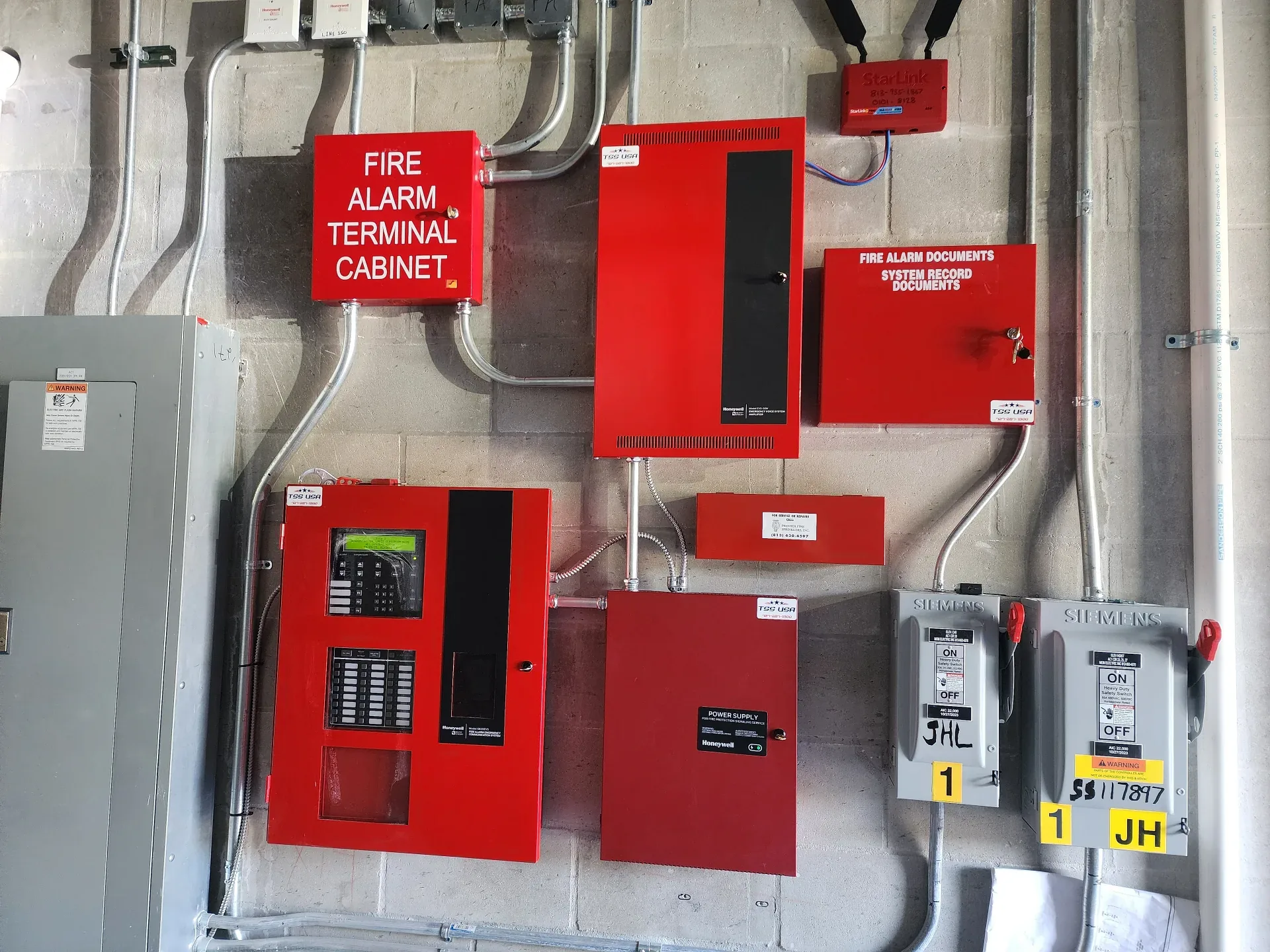
Fire Alarm Installation Tampa Bay, FL
 TSS USA — BICSI Corporate Member®
Your Fire Alarm Failed Inspection. Now What?
The fire marshal walks through your Tampa Bay building, finds devices past their service life, a panel with trouble conditions nobody addressed, and missing documentation from the last contractor. Now you have 30 days to bring the system into compliance or the certificate of occupancy goes on hold.
It’s a common situation for property managers and business owners across the Tampa Bay metropolitan area including Pinellas, Hillsborough, Pasco, and Manatee counties. The previous fire alarm contractor stopped returning calls, the inspection reports are incomplete, and nobody knows which devices are on which zone. TSS USA takes over fire alarm systems and brings them into compliance, including pulling permits and coordinating with the AHJ.
5.0 Stars on Google · Licensed Florida Contractor
Fire Alarm System Installation in Tampa Bay
POTS-to-Cellular Before You Lose Monitoring
AT&T's copper sunset reaches Tampa Bay in 2026, with wave-one decommissioning of ~500 wire centers in June and additional disconnects through November. If your Tampa Bay medical facility still uses a POTS-based DACT for fire alarm monitoring, the signal path stops working when copper goes dark. We migrate the panel to a cellular dual-path communicator without replacing the FACP itself.
Documentation That Survives Vendor Changes
Healthcare facilities face inspection scrutiny from AHJ plus survey scrutiny from CMS or AHCA. Both want to see the paper trail. We deliver electronic PDF inspection reports after every annual cycle, retained for your compliance team and shareable with surveyors and insurance carriers on request.
Sensitivity Testing Per NFPA 72
Skipped sensitivity testing is the most-cited inspection deficiency. A detector can pass a functional test while drifting outside its listed obscuration range. We perform functional smoke detector sensitivity testing per NFPA 72 §14.4.4.3 with documented readings, not test-button-only checks.
Integration With Systems Already in the Building
Healthcare FACPs typically coordinate with HVAC shutdown, sprinkler supervisory, elevator recall, and sometimes other life-safety systems. We coordinate the new system with what's already in place during design, not after install, so acceptance testing doesn't surface integration gaps the AHJ finds first.
Who We Work With in Tampa Bay
Full fire alarm system packages for new builds across the Tampa Bay metropolitan area including Pinellas, Hillsborough, Pasco, and Manatee counties, from shell-core to final tenant finishes. We stay on schedule and help pass final inspections.
We help maintain fire alarm code compliance across portfolios in the Tampa Bay metropolitan area including Pinellas, Hillsborough, Pasco, and Manatee counties. Fast turnarounds on retrofits, upgrades, or failed fire alarm inspections.
End-to-end fire alarm installation so you can focus on opening your business, not chasing permits or coordinating inspections. We serve the Tampa Bay area and beyond.
Annual fire alarm inspections, system troubleshooting, and monitoring transfers. We keep your building code-compliant and your documentation current.
5.0 Stars on Google · Licensed Florida Contractor
More About Fire Alarm Systems in Tampa Bay
Why Healthcare Buildings Outgrow Their Original Fire Alarm Vendor
Vendor Disappears, Records Don’t Follow
When the original fire alarm contractor stops returning calls or closes shop, the inspection records, test logs, and panel programming often stay with them. New contractors arrive without the device map and have to reverse-engineer the system before they can even quote remediation.
POTS Phase-Out Creeping In
Carriers are decommissioning copper across Tampa Bay. Healthcare facilities still on POTS for fire alarm monitoring face losing signal transmission during the 2026-2029 sunset window if the panel isn't migrated to cellular.
Device Age Catches Up All at Once
NFPA 72 recommends smoke detector replacement at 10 years. Strobes have finite UL 1971 flash counts. Older medical buildings hit replacement thresholds simultaneously and face large batch quotes from incumbent vendors with little lead time.
Compliance Pressure Outpaces Maintenance
Healthcare facilities undergo CMS, AHCA, and other survey scrutiny. A fire alarm system that worked for routine annual inspection may not have the documentation depth a surveyor asks for, and gaps surface during an actual visit rather than during a planned annual.
What Healthcare Fire Alarm Service Covers Beyond a Panel
Annual NFPA 72 Inspection with Documentation
Functional test of every initiating device, notification appliance, and panel input, with electronic PDF report retained for compliance and surveyor review.
Sensitivity Testing on Schedule
Smoke detector sensitivity testing every alternate year per NFPA 72 §14.4.4.3, with documented obscuration readings rather than test-button-only checks.
Monitoring Takeover From Existing Provider
We take over central station monitoring from your current vendor without replacing the panel. Hardware stays in place; only the reporting path and the support relationship change.
Cellular Communicator Install
Replace POTS-based DACT with single-path or dual-path cellular communicator. Tampa Bay market: $300-$500 installed for the communicator, $40-$60/month single-path monitoring.
Battery and Backup Power Service
Annual load test on standby batteries with documented results, plus scheduled replacement before they fail under inspection or real alarm conditions.
AHJ Liaison for Failed Inspections
When the fire marshal flags deficiencies, we handle the remediation walkthrough and re-acceptance test rather than leaving you to coordinate alone between vendors and the AHJ office.
Our Standards
Clean Workmanship
Square devices, neat wire management, no unnecessary junctions. Makes future work faster and safer.
Documentation That Matters
You’ll get zone maps, labeled wire diagrams, test logs, all ready for the next guy, whether that’s us or your maintenance team.
Communication That Keeps the Job Moving
We stay in sync with your superintendent, electrician, and building inspectors. You won’t be chasing us.
A Local Contractor You Can Count On
Based in Pinellas Park, we regularly install and inspect fire alarm systems across the Tampa Bay metropolitan area including Pinellas, Hillsborough, Pasco, and Manatee counties. When you need service, we answer. When your system needs attention, we show up.
Fire Alarm Across Healthcare in Tampa Bay
Medical Office Buildings
Multi-suite medical buildings across the Tampa Bay metropolitan area including Pinellas, Hillsborough, Pasco, and Manatee counties share a single FACP with tenant zones. Tenant turnover means the device map gets stale; we re-acceptance test and rebuild documentation when needed.
Outpatient Surgery and Imaging Centers
Sterile suites with NFPA 99 requirements for air-handling shutdown coordination. We coordinate with the HVAC subcontractor during design and verify acceptance testing covers the duct detection integration.
Memory Care and Behavioral Health Units
Egress code complications around delayed-egress hardware on patient-area exits. We coordinate with the door hardware specifier so life-safety code doesn't conflict with patient-safety requirements.
Dental, Specialty, and Independent Clinics
Small Tampa Bay practices often inherit fire alarm systems they didn't install. We assess what's there, document what's compliant, and lay out a remediation path that fits a real budget.
Fire Alarm Systems in Tampa Bay
Running a fire alarm program across Tampa Bay means juggling three counties and a lot of different building stock. A clinic in Clearwater, a dental suite in Brandon, and a small surgery center near Sarasota all report to different AHJs, even if the owner wants one standard. The common failure is paperwork.
If the NFPA 72 test report, device inventory, and battery readings aren’t organized by address, the next inspector loses time and the owner loses credibility.
Many multi-site operators also inherit mixed panels: a conventional system in one plaza, an addressable FACP in the next, and a communicator that still expects a dead phone line. That variety is manageable, but only when your fire alarm contractor keeps drawings, programming notes, and prior deficiencies in one place.
On the technical side, the easiest way to control false alarms and service time is standardization. For most Tampa Bay medical and office occupancies, an addressable panel with supervised IDC loops and clearly separated NACs beats a patchwork of zones. The panel can point to a single smoke detector in suite 312 instead of a whole corridor, and that shortens reset time when the central station calls.
We prefer cellular fire alarm communicators now because copper POTS lines have become unreliable in many strip centers.
During annual testing we verify EOL values, check the backup batteries under load for at least 5 minutes, and confirm the annunciator at the main entrance mirrors every trouble signal. What happens when one site passes but the sister location fails for missing documentation? The owner ends up paying twice.
TSS USA is based in Pinellas Park, so the Tampa Bay region is normal driving range for us from US 19 to I-75. For multi-location clients, we build an inspection calendar that groups sites by county to reduce downtime and after-hours fees. A typical day might start with a morning test in Clearwater, a noon repair in Town N Country, and a late-afternoon acceptance test in Riverview.
Because we install and service, the same tech can troubleshoot a ground fault, swap a failed horn/strobe, and reprogram an addressable point list without calling a separate company.
You get one phone number, (727) 261-0011, not a different dispatcher per county. That consistency matters when you’re coordinating NFPA 72 records for 5 to 15 addresses.
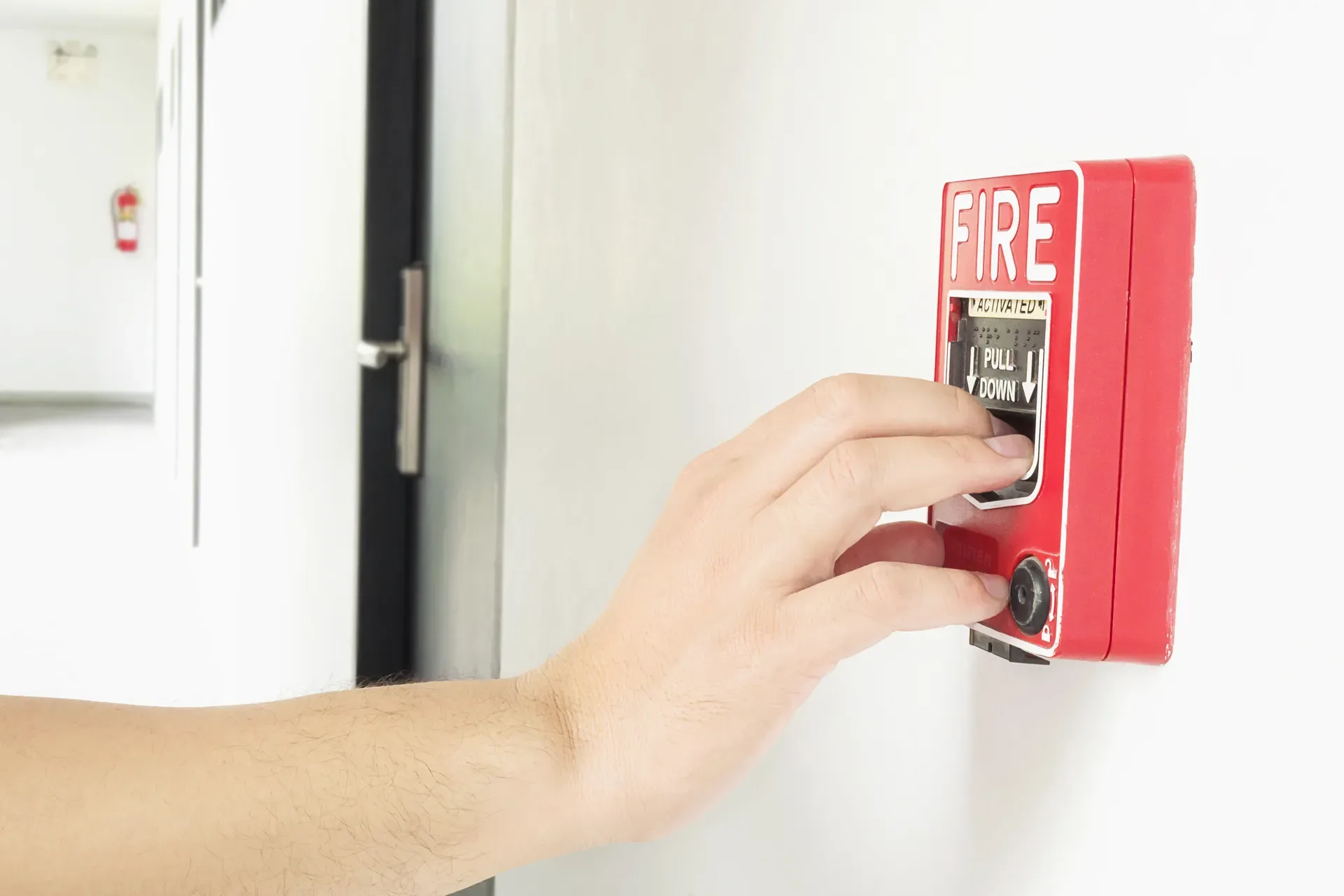
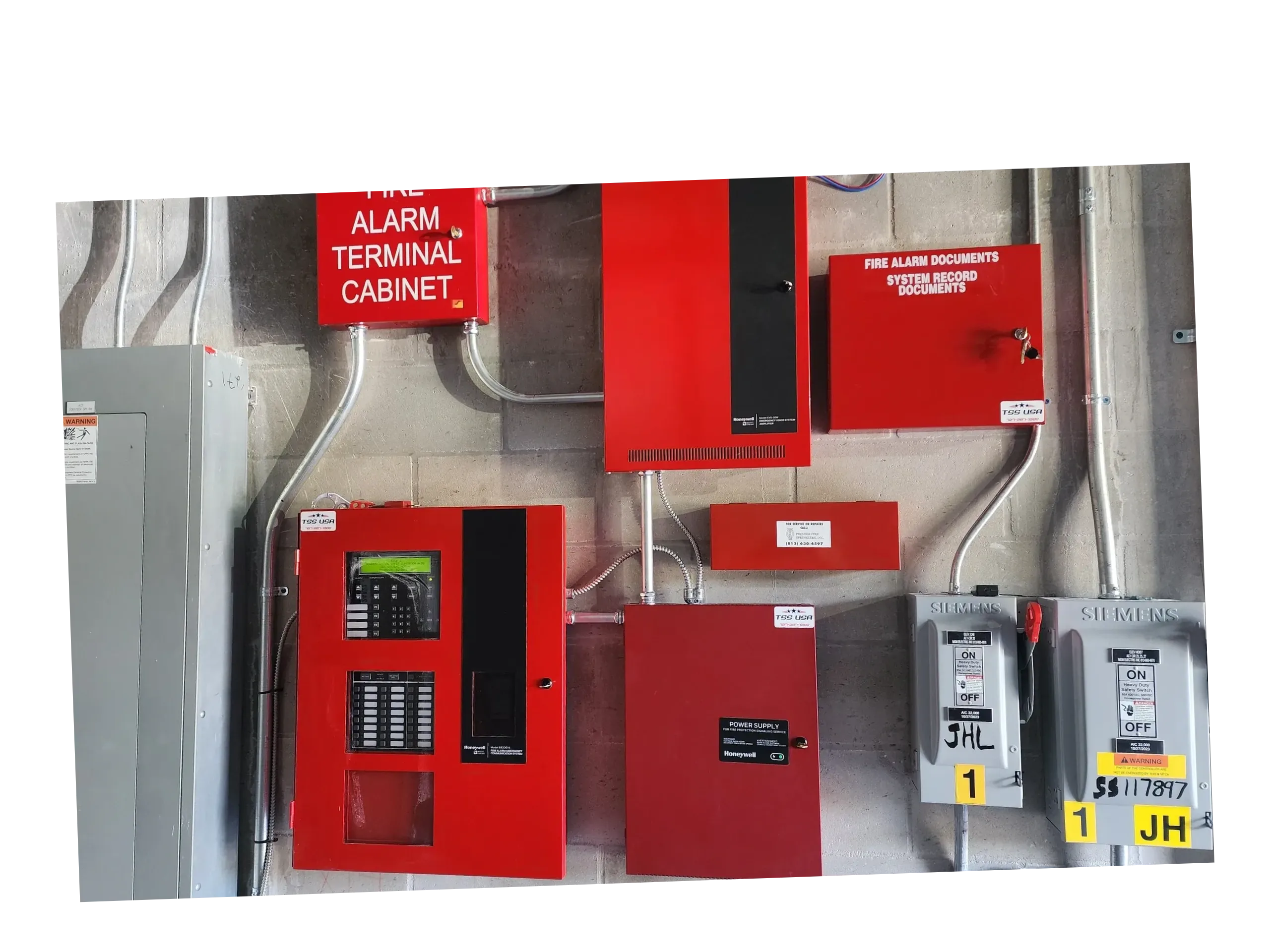
Easy Inspections Follow Good Installs.
Fire Alarm Systems for Medical & Professional Buildings
Medical offices, dental practices, outpatient clinics, and professional buildings have unique fire alarm system requirements driven by patient safety regulations and sensitive operational environments. Healthcare occupancies must comply with NFPA 101 Life Safety Code provisions that mandate specific fire alarm device placement, notification appliance configurations, and integration with nurse call and medical gas systems.
Our fire alarm contractors understand these specialized requirements and design systems that meet healthcare compliance standards while minimizing disruption to patient care.
Fire alarm system installation in medical environments requires sensitivity to the clinical setting. Audible notification levels must balance code requirements with patient comfort, and strobe placement must account for patients who may be sensitive to flashing lights. Smoke detectors near sterilization equipment and surgical suites require careful positioning to prevent nuisance alarms triggered by normal medical operations.
We select and program devices specifically suited to healthcare environments, reducing false alarms that disrupt operations and erode staff confidence in the system.
Annual fire alarm inspection and testing in medical facilities requires coordination with practice managers to schedule testing during non-patient hours whenever possible. Our inspectors work efficiently to test every device, verify monitoring communication, and document results in reports that satisfy both the Authority Having Jurisdiction and healthcare accreditation bodies.
For multi-tenant medical buildings, we coordinate with property managers to ensure the entire building fire alarm system is inspected as a unified system while providing individual suite documentation. Reliable fire alarm monitoring gives medical professionals confidence that their patients and staff are protected around the clock.
Why Tampa Bay Businesses Choose TSS USA for Fire Alarm Systems
Competitive Pricing
We price every project honestly and competitively. Free on-site estimates with no obligation. No hidden fees when the invoice arrives. If you've received quotes from other contractors, compare them — we consistently come in at or below the market rate for the same scope and quality.
Faster Communication
We respond to quote requests the same day. Most Tampa Bay projects get a written estimate within 24–48 hours of the site walkthrough. You won't wait a week to hear back. If a question comes up mid-project, you get an answer the same day — not whenever someone checks their inbox.
Work That Passes Inspection
Every installation is tested, labeled, documented, and signed off by a licensed Florida contractor before we close out. Structured cabling gets Fluke DSX certification reports on every drop. Fire alarm systems are designed and installed to NFPA 72 and pass AHJ inspection the first time. We don't leave until the job is done right.
Licensed, Certified & Verified
Florida Electrical Specialty Contractor License ES12000985. Florida Fire Alarm Contractor License EF20001875. BICSI Corporate Member. CommScope authorized partner. 5.0 stars on Google from verified commercial customers across Tampa Bay. We're the real deal — not a handyman with a drill and some cable.
Frequently Asked Questions
Most commercial buildings in Tampa Bay are required by code to have a fire alarm system, but the exact requirements depend on your occupancy type, square footage, and local fire codes. We can review your building plans or inspect your current setup to determine what’s required to stay compliant and safe across the Tampa Bay metropolitan area including Pinellas, Hillsborough, Pasco, and Manatee counties.
Yes, we take over fire alarm inspections for businesses across the Tampa Bay metropolitan area including Pinellas, Hillsborough, Pasco, and Manatee counties, including the Tampa Bay area. We know what to look for and can inspect your system efficiently. Many property managers and business owners switch to our inspection service for faster turnarounds and more detailed reporting.
A licensed fire alarm contractor in Tampa Bay should hold a Florida EF license, carry proper insurance, and have experience with NFPA 72 system design, installation, and inspection. They should pull permits, coordinate with the local AHJ, and provide test reports that satisfy your fire marshal. TSS USA is a licensed fire alarm contractor serving Tampa Bay and the Tampa Bay metropolitan area including Pinellas, Hillsborough, Pasco, and Manatee counties.
A basic fire alarm system for a small business in Tampa Bay typically runs $6,000-$12,000 installed, depending on building size, device count, and code requirements. That covers the fire alarm control panel, pull stations, horn/strobes, smoke detectors, and programming. Annual inspections start at $200 and scale with system size. 24/7 monitoring runs $40-$60/month. We handle permitting and AHJ coordination across the Tampa Bay metropolitan area including Pinellas, Hillsborough, Pasco, and Manatee counties so you don't have to chase paperwork.
TSS USA holds Florida Fire Alarm Contractor License EF20001875. We design, install, inspect, and monitor commercial fire alarm systems that pass AHJ inspection the first time. We handle permits, coordinate with the fire marshal, and provide full as-built documentation on every project in Tampa Bay and across the Tampa Bay metropolitan area including Pinellas, Hillsborough, Pasco, and Manatee counties. We beat competitor pricing, respond to quote requests same day, and are rated 5.0 stars on Google from verified commercial customers.
For Tampa Bay portfolios, we schedule inspections by county and by device count. A 30-device medical office takes about 2 to 3 hours; a 120-device clinic can take most of a day. Grouping two or three nearby sites on the same route reduces after-hours testing and keeps the central station test window tight.
During the visit we test initiating devices, NAC notification appliances, and the monitoring communicator, then issue the NFPA 72 test report for each address. Keep each report in a single binder or PDF folder per location, not one giant file for the whole region.
Cellular communicators are the safest default across Tampa Bay because many older plazas have abandoned copper pairs and spotty VOIP reliability. We typically program the communicator to send alarm, supervisory, and trouble signals, then verify delivery with the central station during testing. If you have multiple sites, use the same reporting format and account naming so dispatchers can tell "Site 07" from "Site 17" in seconds.
IP communicators can work in well-managed networks, but only if the IT team commits to keeping the switch and firewall rules stable.
In Tampa Bay, the AHJ may ask for different paperwork even when the system hardware looks identical. Keep a current point list, a Record of Completion, and the last two annual NFPA 72 test reports for each address. For addressable systems, include the panel programming backup on a USB drive or cloud folder. That matters when a panel replacement is needed and you don’t want a full reprogram.
If a location fails inspection, get the deficiency list in writing with device addresses and circuit names so the repair tech can clear it in one trip.
Most commercial occupancies are required by the Florida Fire Prevention Code and NFPA 72 to have a fire alarm system. This includes offices, retail stores, restaurants, hotels, medical facilities, warehouses, and assembly spaces. The specific requirements depend on building size, occupancy type, number of occupants, and whether the building has automatic sprinkler protection.
Your local Authority Having Jurisdiction (AHJ) and fire marshal determine exact requirements during plan review and permitting. A licensed fire alarm contractor can help you understand your obligations.
In Florida, fire alarm inspections must be performed by technicians working under a licensed fire alarm contractor holding an EF (Electrical Fire Alarm) license. NFPA 72 further requires that inspection personnel be qualified and knowledgeable in the systems they inspect.
Many fire alarm contractors employ NICET-certified technicians (National Institute for Certification in Engineering Technologies) who have demonstrated competency in fire alarm system inspection, testing, and maintenance. Using a properly licensed and certified fire alarm inspector ensures your inspection reports are accepted by the AHJ and your insurance carrier.
Fire alarm systems commonly integrate with automatic sprinkler systems through waterflow switches and tamper switches that report sprinkler activation and valve status to the fire alarm control panel. Integration with access control systems allows fire alarms to automatically release doors on alarm for emergency egress, release magnetic door holders, and disable access restrictions in evacuation paths.
Fire alarms can also trigger elevator recall to bring elevators to the ground floor and shut down HVAC systems to prevent smoke spread. These integrations are coordinated during system design and are required by code in many building types.
5.0 Stars on Google · Licensed Florida Contractor
Other Services in Tampa Bay
Structured Cabling
Structured cabling, fiber optics, and network infrastructure for commercial buildings.
Access Control Systems
Modern door access and credential management for businesses.
Small Business Security Cameras
Small business security camera systems with remote viewing and smart alerts.
Business Phone Systems
Cloud VoIP business phone systems — local installation, full configuration, and ongoing support.
Small Business Network Setup
Complete network setup including internet, WiFi, switches, and infrastructure for small businesses.
Burglar Alarm Systems
Commercial intrusion detection and 24/7 monitoring services.
Fire Alarm Installation in Tampa Bay.
If you need a fire alarm system installed, inspected, or monitored in Tampa Bay, give us a call. We serve the Tampa Bay metropolitan area including Pinellas, Hillsborough, Pasco, and Manatee counties. Clean installs, proper documentation, and no guesswork.